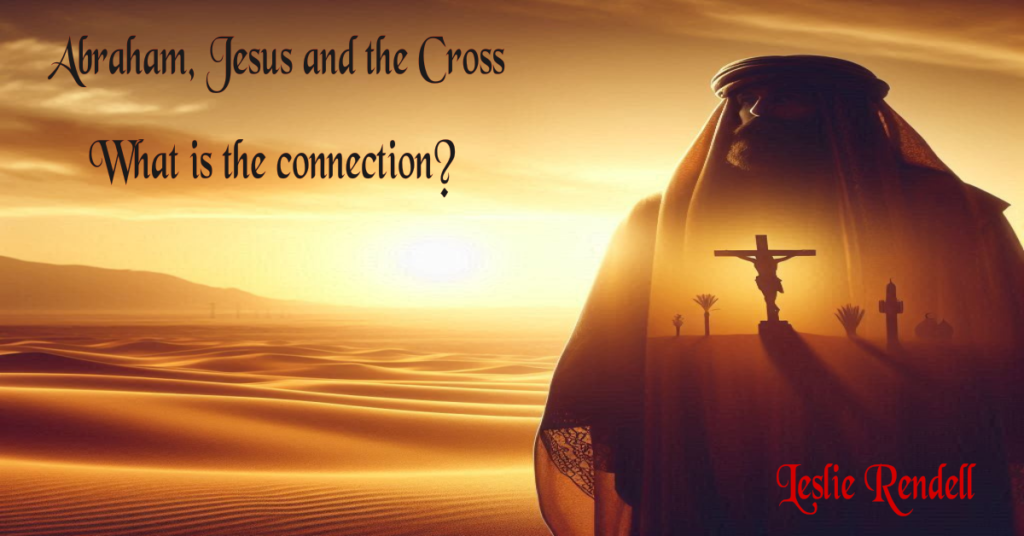
The book opens by establishing the context for God’s covenant with Abraham, a crucial moment in biblical history. In Genesis 12, God calls Abraham (then Abram) and promises to bless all nations through Abraham’s offspring. However, there is an apparent issue—Abraham and his wife, Sarah, are without children and past the age of childbearing. This creates the backdrop for a more profound demonstration of faith and divine interventMany Christians today focus on the New Testament. They often overlook the Old Testament because of its complex laws, genealogies, and rituals. The Old Testament lays the foundation for understanding the New Testament. It also prefigures God’s redemptive plan through Jesus Christ. This book examines how one of the most enigmatic Old Testament passages—the Abrahamic Covenant—directly links to Christ’s sacrifice on the cross.
In Genesis 15, Abraham seeks reassurance from God concerning this promise. In reply, God tells him to arrange a sacrificial ceremony. Abraham obeys these instructions by splitting animals in half and placing them in a particular order. Then, in a striking vision, a smoking fire pot and a blazing torch move between the animal halves. This symbolic action indicates God’s commitment to keeping His promise, even assuming responsibility for both sides of the covenant.
The book explains the importance of this event in light of ancient Near Eastern practices. In traditional covenant ceremonies, both parties would walk between the sacrificed animals, indicating that if either side broke the agreement, they would face the same fate as the animals. Yet, in Abraham’s vision, only God (represented by the fire pot and torch) passes through the pieces. This implies that God alone takes responsibility for ensuring the covenant is fulfilled, regardless of any failures by Abraham or his descendants.
The central argument of this book is that the Abrahamic Covenant anticipates the crucifixion of Jesus Christ. While God remained faithful, Abraham’s descendants—the nation of Israel—continually failed to uphold their part of the covenant. Under ordinary circumstances, this failure would necessitate their punishment. However, because God had taken full responsibility in the covenant, He bore the consequences instead. This was ultimately realised in the sacrifice of Jesus, who took upon Himself the penalty for human unfaithfulness.
Through this perspective, the book presents Jesus’ death on the cross as the fulfilment of God’s covenant with Abraham. Rather than punishing Israel for its repeated disobedience, God, through Christ, accepted the punishment Himself. Therefore, the suffering and death of Jesus were not arbitrary events but rather the fulfilment of a divine promise made centuries earlier.
The book concludes by stressing the importance of studying the Old Testament. While many believers may ignore it in favour of the New Testament’s teachings on grace and salvation, the Old Testament contains profound insights into God’s character and plan. The story of Abraham, especially the smoking fire pot in Genesis 15, is just one instance of how closely the Old and New Testaments are connected. Grasping these connections strengthens faith and provides a richer appreciation for the Bible’s overall narrative.
In Abraham, Jesus, and the Cross, the author makes a compelling argument for why the Old Testament is vital to understanding the work of Christ. By explaining an often-neglected passage, the book shows how God’s covenant with Abraham directly pointed to the crucifixion. Finally, it emphasises God’s unwavering faithfulness and the incredible love shown through Jesus’ sacrifice, demonstrating that the Old Testament is far from irrelevant—it is an essential part of God’s redemptive story.