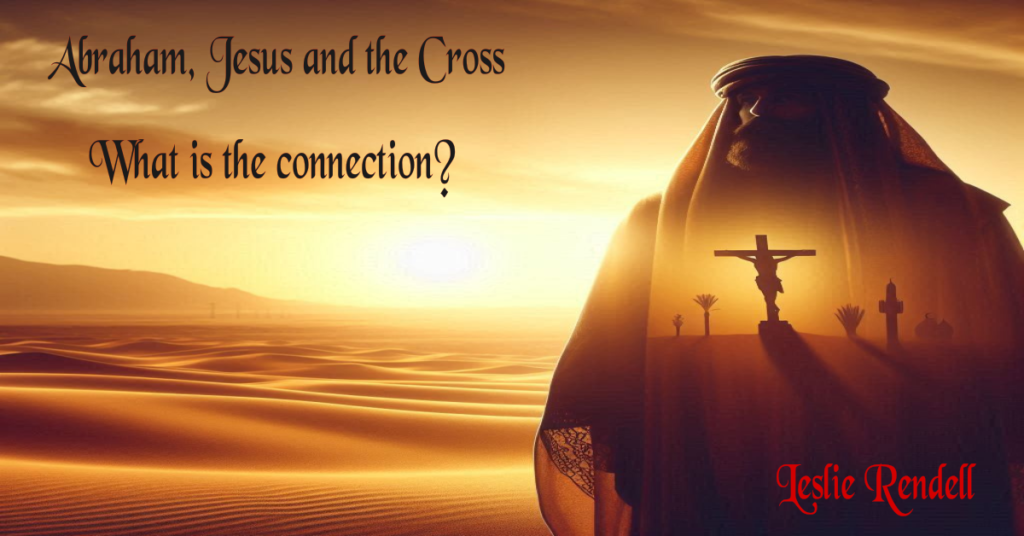
Nowadays, numerous Christians tend to place their main attention on the New Testament. They frequently overlook or ignore the Old Testament because it contains laws that are challenging to understand, long lists of family ancestors, and detailed religious ceremonies. Even so, the Old Testament is not just a necessary basis for making sense of the New Testament; it also points ahead and gives a picture of God’s plan to save people through Jesus Christ. This book looks closely at how one of the most puzzling passages found in the Old Testament, known as the Abrahamic Covenant, is directly linked to the sacrifice that Christ made on the cross.
The book opens by preparing the reader to understand the background of God’s covenant with Abraham, which was a critical and turning-point moment in the history recorded in the Bible. In the twelfth chapter of Genesis, God calls out to Abraham, who was known as Abram at that time, and He makes a promise that all the nations of the world would receive a blessing through his descendants. Yet, a clear difficulty appears here because Abraham and his wife, Sarah, had no children at all, and they were both far too old to be able to have any. This situation creates the setting for a much deeper display of faith and of God’s direct, miraculous involvement.
In the fifteenth chapter of Genesis, Abraham asks God for some kind of assurance about this promise that had been made to him. God answers him by telling him to get a sacrificial ceremony ready. Abraham does exactly what he was told, cutting the animals into two halves and laying the pieces out in a particular, ordered way. Thereafter, in a striking and powerful vision, a firepot that was giving off smoke and a burning torch move in between the halves of the animals. This action, which was full of meaning, shows that God was committing Himself to keep His promise, and it even shows Him accepting the responsibility that belonged to both sides of the covenant.
The book goes on to explain what this event means when it is understood against the backdrop of the customs that were common in the ancient Near East. When people made covenants in those traditional ceremonies, both sides would walk in between the animals that had been sacrificed, which showed that if either side broke the agreement, they would end up just like those animals. But in the vision that Abraham received, it is only God, who is represented by the firepot and the torch, who passes through the pieces. What this tells us is that God alone takes on the full responsibility for making sure the covenant is carried out, no matter how Abraham or his descendants might fail.